Sunday, September 18, 2022
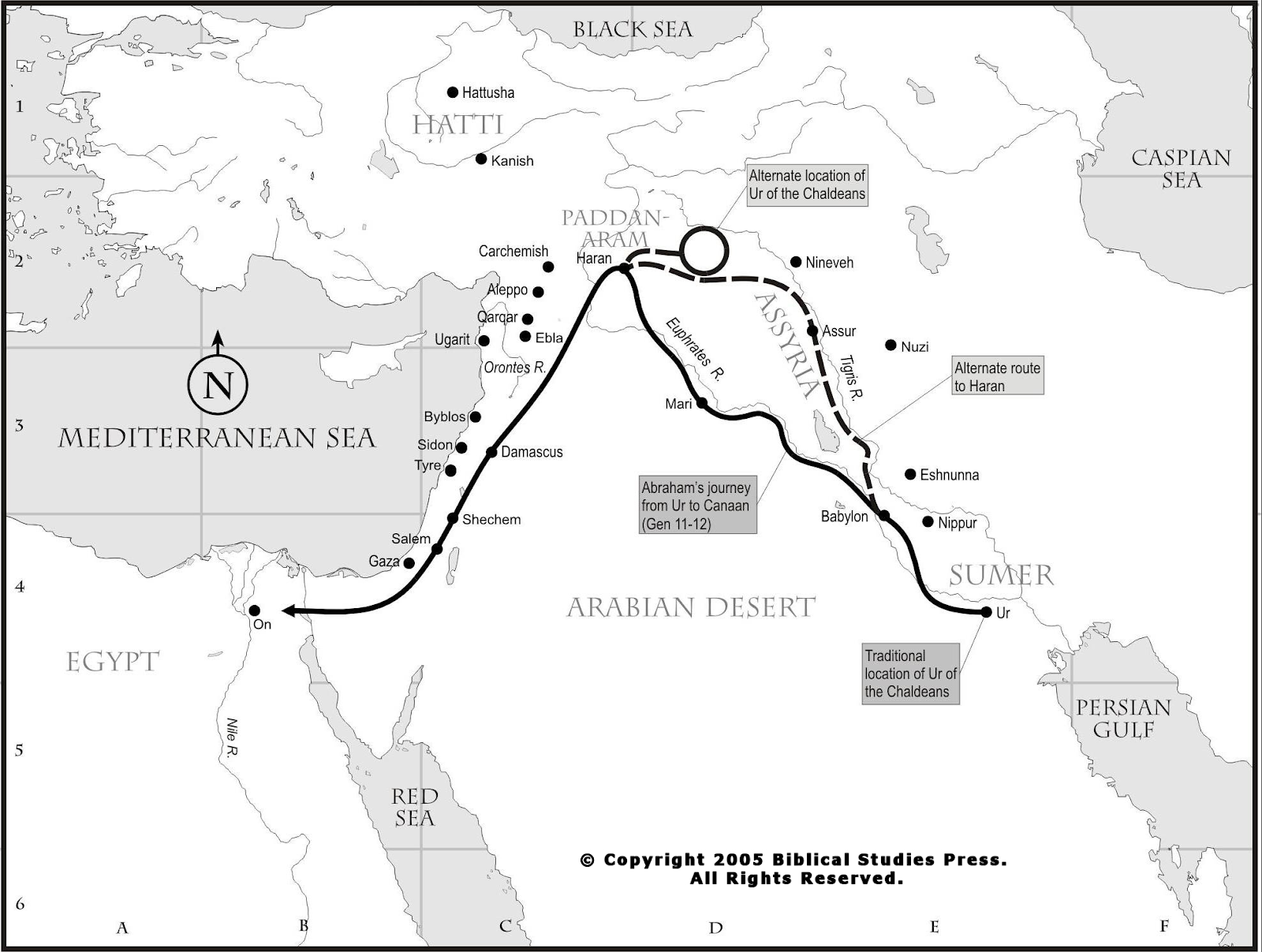
ReMember: Abraham Forgets
Sunday, January 9, 2022
Encountering the Messiah: Come and See
On the last Sunday of Advent, we first began our reading in the gospel of John with the Prologue - the first eighteen verses of John that set forth many of the themes and ideas that encompass the entire gospel. Over Christmas, we took a slight detour in Luke and Matthew, as we heard parts of the birth narrative of Christ, something that John doesn’t have.
Today, we return to John, where we will remain through the spring. and continue reading through the first chapter. Our reading today is in two parts.
This is John’s testimony when the Jewish leaders in Jerusalem sent priests and Levites to ask him, “Who are you?”
John confessed (he didn’t deny but confessed), “I’m not the Christ.”
They asked him, “Then who are you? Are you Elijah?”
John said, “I’m not.”
“Are you the prophet?”
John answered, “No.”
They asked, “Who are you? We need to give an answer to those who sent us. What do you say about yourself?”
John replied,
“I am a voice crying out in the wilderness,
Make the Lord’s path straight,
just as the prophet Isaiah said.”
Those sent by the Pharisees asked, “Why do you baptize if you aren’t the Christ, nor Elijah, nor the prophet?”
John answered, “I baptize with water. Someone greater stands among you, whom you don’t recognize. He comes after me, but I’m not worthy to untie his sandal straps.” This encounter took place across the Jordan in Bethany where John was baptizing.
The next day John saw Jesus coming toward him and said, “Look! The Lamb of God who takes away the sin of the world! This is the one about whom I said, ‘He who comes after me is really greater than me because he existed before me.’ Even I didn’t recognize him, but I came baptizing with water so that he might be made known to Israel.” John testified, “I saw the Spirit coming down from heaven like a dove, and it rested on him. Even I didn’t recognize him, but the one who sent me to baptize with water said to me, ‘The one on whom you see the Spirit coming down and resting is the one who baptizes with the Holy Spirit.’ I have seen and testified that this one is God’s Son.” --John 1:19-34 (CEB)
In this first portion of today’s story, John was asked many questions about who he was. The priests and Levites asked if he was one of the characters from the Old Testament who had come back, but he wasn’t.
We’re going to do something a little different today to begin. I’m going to read some clues and I’m going to invite you to help identify the person from the Old Testament that I’m referring to.
I am the father of many descendants.
Once I almost sacrificed my son. I am… (Abraham)
My mother saved my life by putting me in a basket.
I heard God’s call in a burning bush. I am… (Moses)
I stood up to the false prophets of Baal.
I heard God’s voice in the wilderness as a “still, small voice.” I am… (Elijah)
The priests and Levites in today’s reading thought that John the Baptist was Moses or Elijah who had come back. But, John told them that he wasn’t. Instead, he told them that he had a special role to prepare the way for Jesus, the Messiah. He had an important job to help others recognize Jesus.
If I hold up a bundle of Christmas lights, they look like a tangled mess, don’t they? But these Christmas lights remind me a little bit of the prophets. The prophets were messengers from God - it’s as though they were little lights, one after the other, illuminating a little bit more of God’s character. And of God’s promises. In fact, many of the prophets spoke of God’s promise to send a Messiah.
However, sometimes the messages from the prophets were confusing. Or even seemed unlikely. For example, was it true that the Messiah could really come from tiny Bethlehem?
It’s sort of like that string of Christmas lights I mentioned. Even though there are a lot of little lights, just like there were a lot of prophets, it seemed hard to get the whole picture. Sometimes the messages seemed tangled or unclear. God’s people were waiting for the Messiah, but it was difficult to see how all these little lights worked together. It was like there was a missing piece.
There was a missing piece. This is where John came in. The priests and the Levites thought he was one of those earlier prophets, like Moses or Elijah. They even asked him if he was the Messiah. But, John very quickly responded that he was not. Yet, John had a specific job. (Straighten lights.) He was the one who was supposed to take what might be a tangled string of promises and “make straight” the path to Jesus. He was the one to point to Jesus. To connect the dots. And to reveal that Jesus was the one they had all been waiting for. (Turn on lights.) In some ways, he turned the lights on for them, so they would understand that Jesus was the Promised One, the light of the world.
Our reading continues.
The next day John was standing again with two of his disciples. When he saw Jesus walking along he said, “Look! The Lamb of God!” The two disciples heard what he said, and they followed Jesus.
When Jesus turned and saw them following, he asked, “What are you looking for?”
They said, “Rabbi (which is translated Teacher), where are you staying?”
He replied, “Come and see.” So they went and saw where he was staying, and they remained with him that day. It was about four o’clock in the afternoon.
One of the two disciples who heard what John said and followed Jesus was Andrew, the brother of Simon Peter. He first found his own brother Simon and said to him, “We have found the Messiah” (which is translated Christ ). He led him to Jesus.
Jesus looked at him and said, “You are Simon, son of John. You will be called Cephas” (which is translated Peter).
The next day Jesus wanted to go into Galilee, and he found Philip. Jesus said to him, “Follow me.” Philip was from Bethsaida, the hometown of Andrew and Peter.
Philip found Nathanael and said to him, “We have found the one Moses wrote about in the Law and the Prophets: Jesus, Joseph’s son, from Nazareth.”
Nathanael responded, “Can anything from Nazareth be good?”
Philip said, “Come and see.”
Jesus saw Nathanael coming toward him and said about him, “Here is a genuine Israelite in whom there is no deceit.”
Nathanael asked him, “How do you know me?”
Jesus answered, “Before Philip called you, I saw you under the fig tree.”
Nathanael replied, “Rabbi, you are God’s Son. You are the king of Israel.”
Jesus answered, “Do you believe because I told you that I saw you under the fig tree? You will see greater things than these! I assure you that you will see heaven open and God’s angels going up to heaven and down to earth on the Human One.” --John 1:35-51 (CEB)
Just as God chose John, Jesus chose his disciples. In our reading, Jesus chooses them very quickly. Do you remember how many names you heard in this reading? How many people Jesus chose in the first few days of his public ministry? Can you help me name them? (John, Andrew, Simon (Cephas/Peter), Philip, Nathanael)
Simon, who we also know as Peter, was nicknamed Cephas, which means “rock.” He likely didn’t yet understand why Jesus had given him this name. Yet, we know, these centuries later, that Simon Peter, even after later denying Christ before his crucifixion, would become a strong leader in the early church, like a rock. Peter didn’t know it then. But, Jesus did.
Then, there’s Nathanael. I particularly like Nathanael for his sarcasm. “Can anything good come out of Nazareth?” It’s like saying - if you’re a member of Grace & Glory, “Can anything good come out of Jefferson County?” Or conversely, if you’re a member at Third, “Can anything good come out of Oldham County?” Nathanael was a skeptic. A doubter. The one to question things. But, Jesus could see who he would also become. So, just as Jesus called Peter for who he was and who he would become, Jesus also called Nathanael for who he was and who he would become.
You and I, we are all very different people. We come from different backgrounds and experiences. Some of us very quickly follow when we’re invited in. Others of us hold back and, perhaps, follow, but with just a few more questions, maybe a few more doubts. Whether we feel like a rock like Peter or feel like we don’t even know that that means. Whether we have a lot of questions or not that many, Jesus has called each of us to be his disciples, too. And to come together, with all of our different experiences and backgrounds and ways of being, to grow deeper in our discipleship in Christ. All Jesus calls us to is to follow. In that following we learn answers to our questions and sometimes have more questions. But, most importantly, we learn to trust Jesus as the one leading, even when that means we are not quite sure where he will take us.
May we lean deeply into what it means to follow - to be Jesus’ disciples. May we open ourselves up to trust where Jesus might be leading us. And may we, like his early disciples, be willing and vulnerable enough to point the way to Jesus, to invite others to “Come and see” so that we might, together, “see greater things than these.” Amen.
Sunday, January 2, 2022
Called by God: Hard to Hear
Now the boy Samuel was ministering to the Lord under Eli. The word of the Lord was rare in those days; visions were not widespread.
At that time Eli, whose eyesight had begun to grow dim so that he could not see, was lying down in his room; the lamp of God had not yet gone out, and Samuel was lying down in the temple of the Lord, where the ark of God was. Then the Lord called, “Samuel! Samuel!” and he said, “Here I am!” and ran to Eli, and said, “Here I am, for you called me.” But he said, “I did not call; lie down again.” So he went and lay down. The Lord called again, “Samuel!” Samuel got up and went to Eli, and said, “Here I am, for you called me.” But he said, “I did not call, my son; lie down again.” Now Samuel did not yet know the Lord, and the word of the Lord had not yet been revealed to him. The Lord called Samuel again, a third time. And he got up and went to Eli, and said, “Here I am, for you called me.” Then Eli perceived that the Lord was calling the boy. Therefore Eli said to Samuel, “Go, lie down; and if he calls you, you shall say, ‘Speak, Lord, for your servant is listening.’” So Samuel went and lay down in his place.
Now the Lord came and stood there, calling as before, “Samuel! Samuel!” And Samuel said, “Speak, for your servant is listening.” Then the Lord said to Samuel, “See, I am about to do something in Israel that will make both ears of anyone who hears of it tingle. On that day I will fulfill against Eli all that I have spoken concerning his house, from beginning to end. For I have told him that I am about to punish his house forever, for the iniquity that he knew, because his sons were blaspheming God, and he did not restrain them. Therefore I swear to the house of Eli that the iniquity of Eli’s house shall not be expiated by sacrifice or offering forever.”
Samuel lay there until morning; then he opened the doors of the house of the Lord. Samuel was afraid to tell the vision to Eli. But Eli called Samuel and said, “Samuel, my son.” He said, “Here I am.” Eli said, “What was it that he told you? Do not hide it from me. May God do so to you and more also, if you hide anything from me of all that he told you.” So Samuel told him everything and hid nothing from him. Then he said, “It is the Lord; let him do what seems good to him.”
As Samuel grew up, the Lord was with him and let none of his words fall to the ground. And all Israel from Dan to Beer-sheba knew that Samuel was a trustworthy prophet of the Lord. The Lord continued to appear at Shiloh, for the Lord revealed himself to Samuel at Shiloh by the word of the Lord. --1 Samuel 3:1-21 (NRSV)
Grace, mercy and peace to you from God, our Creator, our Redeemer, our Sustainer. Amen.
It’s hard to hear God sometimes, isn’t it? Like Samuel, it’s hard to really hear God, isn’t it? We live in a world that is so full of noise, perhaps even more noise now than before the pandemic began.
There was a time in the middle of these past many months when things quieted down. During the lockdown in the spring of last year. It felt, at least for some of us that things slowed down just a bit. Were a little less hectic. A time when we were just a little less busy. When we, perhaps, even had time to hear one another. I wonder if that’s why George Floyd’s death became such a turning point for us - because we were all listening. And seeing. And horrified by those 9 minutes of video.
Yet, doesn’t it feel as though we are slipping so easily back into our old ways. Our old patterns. Perhaps even some of the things we vowed never to return to. The appointments that have us running from one thing to the next. Our work lives, or our retirement lives, that seem to be even busier than ever. When all of that time of listening to one another seems to have, once again, just fallen by the wayside.
I’ve been really stressed out this week, can you tell? There are a lot of reasons. It’s always hard to be away - it seems like the work is doubled up before leaving and doubled up on return. Then, to add to it, I signed up for a doctoral program in the midst of the pandemic. I’m wondering now why y’all of you didn’t step in and stop me from this nonsense.
But, honestly, what did we learn from the pandemic? Or did we learn anything from the pandemic? Did we learn anything about slowing down to listen? To ourselves? To one another? To God?
Listening is at the core of our text today in first Samuel - part of what is called the Deuteronomic history of Israel (say that five times fast). Walter Brueggemann describes this history as the story of Israel’s entry into the Promised Land, beginning in Joshua, through to the story of Israel’s loss of the Promised Land, ending in the book of Kings. We’ve taken a big jump from last week’s reading in the wilderness. Israel’s now entered that Promised Land and organized itself as a tribal nation - divided up into the twelve tribes, each governed by their own leadership. Our story today is in a time of transition from this tribal way of life into that of a monarchy, with only one king as leader. The book of Judges, which precedes First Samuel, ends with these words, “In those days there was no king in Israel; all the people did what was right in their own eyes.” It’s an ominous foreshadowing for the beginning of today’s reading, which opens with these words: “The word of the Lord was rare in those days; visions were not widespread.”
Was God’s Word rare because God wasn’t speaking? Or was, perhaps, God’s word rare because people weren’t listening? Because their lives were so filled by the noise of everyday life and busy-ness and other stuff that they simply couldn’t hear?
Eli - the high priest of God’s sacred tent in our story today - knew what God would ask Samuel to tell him. His sons were evil. Taking the temple sacrifice by force. And, depending on the translation, even raping women at the sanctuary door. Their sins were against God in God’s house. When we read this, it’s hard not to think of all of the stories of clergy abuse that have come to light over these past many years. Eli - like so many others in church leadership in our day - Eli knew his sons were evil. He’d been warned to stop them. But had done nothing. He’d closed his ears to God’s Word. His physical blindness mentioned in our story is nothing compared to his spiritual blindness. Eli isn’t listening. He isn’t seeing. And neither is anyone else.
So it takes three times. Three calls from God to the young boy Samuel before Eli even recognizes what’s up. Before he is ready to hear and to encourage Samuel to listen. Speak Lord, for your servant is listening, Samuel finally says to God.
Are we listening? Are we prepared to hear what God might be calling us to? Not only in our own lives, but in the church and in our broader world? Are we, perhaps, being called into a new way of being - a new way that, like Samuel’s call, isn’t always easy? A new way that may require some hard conversations? Some hard discernment on our part? Some listening in the midst of the noise of our lives?
We have an opportunity in this moment. An opportunity to not return to that old way of life - that way of life, filled with so much noise that it blocks out the very voice and call of God. God is calling us out of the death of our former lives and into a resurrected and new way of life. A life that gives us the space to hear God’s voice and to live out our calling, as individuals regardless of age or experience, and as a church, in this new place and new way of being. A calling that proclaims to the whole world the amazing good news of life gifted to us by God in grace.
May we be open to this new way of life. And, like young Samuel, declare,” Speak Lord. For your servants are listening.” Amen.
God Provides Blessings: Reluctant Prophet
Throughout this unit, we’ve been exploring the idea that God Provides Blessings in many different ways. We’ve considered the blessings found in creation. The blessings that other people provide to us. And the blessings that we offer to other people.
Sometimes, though, we receive blessings through experiences that, perhaps, we did not want to have. Or were nervous or reluctant about.
For example, if I’d been given a preference to serve a congregation, it’s probably no surprise to you that I would have wanted to serve in a place closer to my son and daughter-in-law. But, God had a slightly different idea that I did about where I might best serve the Church. Thank God this is so, because, if not, I would never have the blessing of knowing you. Or this beautiful place. Or the many people I’ve met through my work and my life here.
Have you had an experience like this? Where you entered into it in a reluctant way? What might have happened if you’d not done this thing, however reluctantly? Perhaps, the bigger question is how has God blessed you through this experience?
Moses was a reluctant leader. Today, we’re going to hear what Moses was reluctant to do. And how, even with this, God blessed him and so many others through him anyway. We read today in three parts, beginning in Exodus, chapter 2.
A long time passed, and the Egyptian king died. The Israelites were still groaning because of their hard work. They cried out, and their cry to be rescued from the hard work rose up to God. God heard their cry of grief, and God remembered his covenant with Abraham, Isaac, and Jacob. God looked at the Israelites, and God understood.
It’s been a long time and generations since Jacob.
If you remember the story of Jacob and his son, Joseph, you may recall that because of famine, Jacob, now renamed Israel, had moved with his clan to Egypt. They had settled in Goshen. Much time has passed. New pharoahs - Egyptian kings - have come and gone. Israel has grown into a large people. A nation. Fulfilling part of the covenant with Abraham. But, because of their size, they’ve become viewed as a political threat to Egypt. And were enslaved. Forced into hard labor.
Our story tells us that they were groaning because of this enslavement. Crying out to God. Crying out to be rescued from this hard and punishing work. Do you notice the verbs that describe God’s response? God heard. God remembered. God looked. And God understood.
What might this say to us when we cry out because of our suffering? Or those who are oppressed in our world cry out? God hears. God remembers. God looks. And God understands.
Our reading continues in chapter 3.
Moses was taking care of the flock for his father-in-law Jethro, Midian’s priest. He led his flock out to the edge of the desert, and he came to God’s mountain called Horeb. The Lord’s messenger appeared to him in a flame of fire in the middle of a bush. Moses saw that the bush was in flames, but it didn’t burn up. Then Moses said to himself, Let me check out this amazing sight and find out why the bush isn’t burning up.
When the Lord saw that he was coming to look, God called to him out of the bush, “Moses, Moses!”
Moses said, “I’m here.”
Then the Lord said, “Don’t come any closer! Take off your sandals, because you are standing on holy ground.” He continued, “I am the God of your father, Abraham’s God, Isaac’s God, and Jacob’s God.” Moses hid his face because he was afraid to look at God.
Then the Lord said, “I’ve clearly seen my people oppressed in Egypt. I’ve heard their cry of injustice because of their slave masters. I know about their pain. I’ve come down to rescue them from the Egyptians in order to take them out of that land and bring them to a good and broad land, a land that’s full of milk and honey, a place where the Canaanites, the Hittites, the Amorites, the Perizzites, the Hivites, and the Jebusites all live. Now the Israelites’ cries of injustice have reached me. I’ve seen just how much the Egyptians have oppressed them. So get going. I’m sending you to Pharaoh to bring my people, the Israelites, out of Egypt.”
But Moses said to God, “Who am I to go to Pharaoh and to bring the Israelites out of Egypt?”
God said, “I’ll be with you. And this will show you that I’m the one who sent you. After you bring the people out of Egypt, you will come back here and worship God on this mountain.”
Moses is a person in between. He is Hebrew, but has grown up in the royal court - adopted by a pharaoh’s daughter. Yet, as a Hebrew, his heart remains with his people.
Moses is a person between two worlds - a world of privilege and a world of bondage, called by God to traverse both of those worlds to accomplish God’s plan, which is to free God’s people from their oppression.
Moses is reluctant. Perhaps its because he is a person of two worlds, not belonging to either, he questions his own worth. Yet, God calls him. In an unusual way. Through a burning bush. A bush that is not consumed. How long did Moses have to look at this burning bush to notice that it wasn’t burning up? How many people before Moses passed by this bush without noticing? How often to we pass by “burning bushes” in our lives - too busy or maybe feeling too unworthy to stop and notice how God might be calling us?
Our story continues in chapter 3.
But Moses said to God, “If I now come to the Israelites and say to them, ‘The God of your ancestors has sent me to you,’ they are going to ask me, ‘What’s this God’s name?’ What am I supposed to say to them?”
God said to Moses, “I Am Who I Am. So say to the Israelites, ‘I Am has sent me to you.’” God continued, “Say to the Israelites, ‘The Lord, the God of your ancestors, Abraham’s God, Isaac’s God, and Jacob’s God, has sent me to you.’ This is my name forever; this is how all generations will remember me.
Knowing someone’s name gives us a more intimate relationship with them. This act of God - giving Moses God’s very name - is an intimate act, inviting Moses into relationship with God. Because God’s name is sacred. So sacred, in fact, that in later generations, the Hebrew people will not even speak it aloud. God’s name is so sacred that it really is not even translatable from the original Hebrew. It’s a verb, that means “to be.” It can be translated, “I Am Who I Am.” But, God will not be pinned down to any single name. This verb is open-ended. It can be translated, “I Will Be Who I Will Be.” It can be translated, “I Will Become Who I Will Become.” It’s a verb that teaches us that God is present yet ever-changing. But mostly, God’s name teaches us that God cannot be contained. That God is so expansive that any relationship with God that you or I experience is only one minute aspect of this present, ever-changing and expansive God. It also teaches us that to even begin to know God, we have to be in relationship not only with God, but with one another - sharing our own, unique experiences with God. Who is, who will be, who will become all that we need God to be.
We conclude in chapter 4.
But Moses said to the Lord, “My Lord, I’ve never been able to speak well, not yesterday, not the day before, and certainly not now since you’ve been talking to your servant. I have a slow mouth and a thick tongue.”
Then the Lord said to him, “Who gives people the ability to speak? Who’s responsible for making them unable to speak or hard of hearing, sighted or blind? Isn’t it I, the Lord? Now go! I’ll help you speak, and I’ll teach you what you should say.”
But Moses said, “Please, my Lord, just send someone else.”
Then the Lord got angry at Moses and said, “What about your brother Aaron the Levite? I know he can speak very well. He’s on his way out to meet you now, and he’s looking forward to seeing you. Speak to him and tell him what he’s supposed to say. I’ll help both of you speak, and I’ll teach both of you what to do. Aaron will speak for you to the people. He’ll be a spokesperson for you, and you will be like God for him. Take this shepherd’s rod with you too so that you can do the signs.”
Moses. He is so reluctant. “I’m not worthy” moves to “I can’t speak well.” Notice that throughout the story God continues to accommodate his fears. His sense of unworthiness. His reluctance. I will be with you, I Am tells him. I will give you voice, I Will Be says to him.
Then, finally, Moses gets to the end of his line of excuses and just says, “I don’t want to do this. Just send someone else.” “I will give you words to give to Aaron,” I Will Become promises him. Because, as much as Moses might protest, God has a plan for all of God’s people - a plan of rescue and redemption. A plan of freedom and salvation. A plan of hope through which God will shower on them blessing upon blessing. A plan through which God will keep God’s ancestral promises - to become a nation, to have a country, and through them to bless all nations.
You and I - we’re part of that plan. Part of that bigger story. And, though we may be reluctant prophets, just like Moses, we have the same call and the same promises. To share the news of the freedom we have in God through God coming to us in Christ Jesus. And that God will give us the words and the tools and the partners we need to help accomplish our small part of that expansive, all-encompassing plan of I Am, I Will Be, I Will Become.
Amen. Amen.
Wednesday, November 18, 2020
God Sightings - Part 3
Sometimes ordinary words just won’t do, will they? Ordinary words can’t capture immense fear, the beauty of a magnificent sunset, or the love for a child. Ordinary words could not capture the experience of Isaiah when he received his call to be a prophet for Yahweh.
The time is roughly 742 BC, the year that King Uzziah died. Uzziah had reigned in Judah, the southern kingdom, for more than 40 years. And by most standards, he had been quite successful. He had repaired the defenses of Jerusalem, reorganized the army, and secured many trade routes running through Judah. He was a strong king, but he died, as the book of Chronicles tells us, because he was punished by God for his proud power. It was in this same year, when the country was mourning his death and wondering what the future would bring, that Isaiah saw his vision. Found in the first part of today’s reading in Isaiah, chapter 6.
Sunday, May 5, 2019
Sent With Joy
Grace and peace to you from God, our Father, and from our resurrected Lord and Savior, Jesus Christ. Amen.
A few years ago, there was a book that was very popular, entitled, Eats, Shoots and Leaves. Any of you remember it? Well, if you’re even a bit of a punctuation nerd as I am, it’s probably sitting at home on your bookshelf. Its author, Lynne Truss, a former editor seriously concerned about the current grammatical state of our world, defended proper punctuation. Stressing how important a correctly placed comma or semicolon or apostrophe or question mark could be for our understanding. And for world peace!
Punctuation is really important. So important that, in fact, there is a huge subculture of people who write punctuation jokes. Here’s a couple for you. Why did the comma break up with the question mark? Because it questioned everything. (I promise, they get better!) Why did the comma break up with the apostrophe? Because it was too possessive. (One more.) Why did the comma break up with the exclamation point? Because it was always yelling!
Okay, so what does punctuation have to do with today’s reading? If you remember, last week, after Mary heard from the angel that Jesus was risen, she was told to go back to the disciples and tell them to meet their risen Lord in Galilee. Then, on her way, she ran into Jesus, and, after she fell at his feet and worshiped him, he, too, told her to go back to the other disciples and to direct them to Galilee.
When we started reading the Gospel of Matthew at the beginning of this year, do you recall where Jesus started his ministry? He’d been baptized by John at the Jordan in Judea. Then tempted in the Judean wilderness. It was after those two events that he began his ministry. But, not in Judea. Because he heard that John had been arrested, he moved to Galilee. It was there, in Galilee, where he began. Matthew points out that this move fulfilled a scripture from the prophet Isaiah. That the people who lived in the dark - in the Land of Zebulun and land of Naphtali, alongside the sea, across the Jordan, in Galilee of the Gentiles - that these people living in the shadow of death had seen a great light. In the Galilee of the Gentiles.
Jesus healed and taught in the Galilean countryside, moving ever and ever closer to Jerusalem. Where the conflict with the religious and political leaders would escalate to the point that Jesus would be crucified. Then to Golgotha, the hillside outside of Jerusalem, where he would be crucified and buried. And then, on this same hillside where Jesus would rise from the dead. The conclusion of Jesus’ mission on earth. Marked - and here’s the punctuation part - marked with a huge exclamation point!
And now, with today’s story, we are back once again in Galilee. And beginning a new phase in the mission of Jesus. Marked with a different punctuation marked. With a colon. A punctuation mark that is not an ending. But that points us forward into another phase. An unfinished phase. A phase in which we are still taking part. The unfinished story of the church.
But, let’s look a little closer at today’s story. Notice that Matthew writes that the eleven disciples meet Jesus on a mountain. The curious thing about this is that there are no mountains in Galilee. By including this in the story, the gospel writer is reminding us of all of the mountaintop revelations we have witnessed before. Think of them. (I once wrote an entire research paper on these mountaintop experiences.) There is the mountain where Noah’s ark rested after the flood, where he offered a sacrifice to God and where God made a new covenant with creation. Then, there is Mount Horeb where God called Moses, speaking to him from the burning bush and revealing God’s name, and calling Moses to deliver God’s people out of bondage. Then, there is Mount Sinai (also known as Mount Horeb), where God delivered the Ten Commandments to Moses, after Israel had been freed, and where God and Israel entered into covenant.
Then, there is the New Testament. Think about Jesus’ own story. He was tempted on a mountain in the wilderness. His first teaching, the Sermon on the Mount, was on a small mountain. Jesus was transfigured. On a mountaintop. And it was on a mountaintop, where Jesus had risen in glory. By including this, by making reference to this simple location, Matthew is recalling for us all of the salvation story, from one revelation to the next. The first phase of a story that has been marked with an exclamation point. And the second phase that is about to begin.
So, the disciples meet Jesus. Like the two Mary’s, they fall at his feet and worship their risen Lord. Did you catch the entire phrase there, in verse 17? “When they saw him, they worshipped him, but some doubted.” The word for “doubt” used here - distazo - is used only one other place in all of the New Testament. In a story we heard a few weeks ago, when Peter jumped out of the boat and began to walk on water towards Jesus. Matthew 14:29. “Then Peter got out of the boat and was walking on the water toward Jesus. But when Peter saw the strong wind, he became frightened. He distazo. He doubted.
These disciples. As they greet their risen Lord, who they are seeing alive with their very own eyes and who they now fully understand - at least some of them understand - that Jesus is truly the Son of God. Even then, some doubt.
Have you ever doubted in Jesus? Has something ever happened to you that put a big question mark there in your life right in place of your faith? Perhaps it was an unexpected and tragic death in your family. Or an illness. Or perhaps it was the loss of a job. Or a divorce. When it seems that this resurrection stuff is just too much to believe in. When it feels as if we, just like the Galileans, live in the shadow of death. And we, too, like the disciples, doubt.
In Matthew, though, doubt is not the opposite of faith. Instead it is an inevitable part of a life of faith and discipleship. Peter, who, as he was walking on water and then heard the wind and became afraid and doubted - that same Peter would become the “rock” on whom the church would be built. As Wes Allen notes, doubt does not preclude the disciples from being entrusted with the ongoing work of the mission of Jesus. With God’s mission. Because even in the midst of their doubt, they are being sent out into the world. Sent to share the joy of Jesus’ resurrection to all nations through the full authority of God, given in its entirety to Jesus. Because it is in raising Jesus, that God has vindicated his life and mission. It is in raising Jesus, that God has demonstrated power and authority that is greater than that of any human ruler. It is in raising Jesus, that God has shown power and authority that is greater than the forces of evil and death. It is with this authority, given fully by God to Jesus, that the disciples are sent into the world. To make disciples by baptizing them - welcoming them into God’s family just as we welcomed Marcus a little over a week ago - and teaching them to obey everything that Jesus had taught and commanded them. It is with the full authority of Jesus Christ that the disciples will go out into the world. Even in the midst of their doubt and fear. Because it is not the disciples’ power and authority that will accomplish this second phase of Jesus’ mission. It is God’s power and authority in Jesus Christ that will accomplish their mission. That will accomplish our mission.
That’s right. Our mission. This is our mission, too. Our mission as the church. Our mission as God’s people here at Grace & Glory. Because this mission is not simply for those who are called to full-time ministry or mission work in the church. This mission is your mission as disciples of Jesus Christ. Just like those first disciples, you are sent with the same power and authority in Jesus Christ. To witness. And to share where Jesus has met you. To share even in the midst of your doubt and your sense of unworthiness and your fear that you won’t have the right words to say. You are called. And you are sent. Just as the early disciples, to witness to the love of Christ with God’s full authority behind you.
That, my friends is our mission statement here at Grace & Glory. A mission statement that belongs to each and every one of us. To gather as God’s people. To grow in faith and the love of God. To go out into the world to share God’s love with others. And to give to others what God has first given to us.
Finally, if all of this feels way too overwhelming, may you remember what Jesus told the early disciples in the midst of their own fear and doubt and unworthiness. What Jesus tells us in the last verse of Matthew. “And, remember, I am with you always, to the end of the age.”
May you journey with joy, walking with the courage that Jesus is beside you as you share the good news of Jesus Christ with the world. Amen.
Preached April 28, 2019, at Grace & Glory Lutheran Church, Goshen, KY.
Second Sunday of Easter (Holy Hilarity Sunday)
Readings: Matthew 28:16-20, Psalm 40:9-10
Wednesday, April 4, 2018
Unbound and Free
But Mary stood weeping outside the tomb. As she wept, she bent over to look into the tomb; and she saw two angels in white, sitting where the body of Jesus had been lying, one at the head and the other at the feet. They said to her, “Woman, why are you weeping?” She said to them, “They have taken away my Lord, and I do not know where they have laid him.” When she had said this, she turned around and saw Jesus standing there, but she did not know that it was Jesus. Jesus said to her, “Woman, why are you weeping? Whom are you looking for?” Supposing him to be the gardener, she said to him, “Sir, if you have carried him away, tell me where you have laid him, and I will take him away.” Jesus said to her, “Mary!” She turned and said to him in Hebrew, “Rabbouni!” (which means Teacher). Jesus said to her, “Do not hold on to me, because I have not yet ascended to the Father. But go to my brothers and say to them, ‘I am ascending to my Father and your Father, to my God and your God.’” Mary Magdalene went and announced to the disciples, “I have seen the Lord”; and she told them that he had said these things to her. John 20:1-18 (NRSV)
Have you ever had a deja vu moment? Perhaps you know what I’m talking about. That moment when, for just a second or two, you have a feeling that you have previously experienced what you are experiencing in that exact moment. You have a name for it now. Deja vu. We didn’t. But, it was what I experienced that morning. That first day of the week.
My name is Mary. No, I’m not that Mary--Mary Magdalene--the woman who was first to the tomb. First to see Jesus alive. First to tell all of us--the first apostle to the rest of the apostles.
And, no, I’m not that Mary--Mary, the mother of Jesus--the woman who stood at the cross and watched her beautiful baby boy, now grown, being crucified. The mother who Jesus ensured would be cared for by the beloved disciple. The act of a devoted son.
I’m also not that Mary (There are a lot of Mary’s, aren’t there?). I’m not Mary of Clopas or, as you might better know her, Mary, the mother of James, one of the Twelve. Who also stood with Jesus’ mother at the foot of the cross.
I am the Mary of Bethany. Of “Mary and Martha” fame. Sister of Martha and lazarus. You know me. I’m the one who sat at Jesus’ feet while my industrious sister worked to prepare a meal and serve it to Jesus. The one who got into trouble with her. And with Judas, when I poured oil on Jesus’ feet, oil that cost nearly a year’s salary.
I know. I’m not very practical. My sister says my head is often in the clouds. That I’m too emotional. Not level-headed enough. But, it’s my way. And I wonder if it’s because I am the way I am that led to that deja vu moment that morning.
When Mary returned to the place where we had been staying, the place where the twelve and the rest of us disciples who had been close to Jesus over the three years we had followed him. When she returned to the place where we were hiding. And when she announced that she had seen Jesus. And as she continued to tell us the story of her experience. That, at first, she didn’t recognize him. But, then, when he called her by name. Mary. It was as though her eyes had been opened. And, as she was telling this amazing story, it was at that moment that I felt I had experienced this once before.
I had. It was only a week or so earlier that I had experienced all of these same emotions. The deep sadness I felt at the death of my brother Lazarus. The feeling of abandonment by Jesus--that he could have prevented Lazarus from dying, but that he didn’t. The anger I felt when, finally, Jesus arrived and it was too late. The deep grief as I watched him weep, just as I was weeping. And, then, the surprise, when Jesus called his name--just like Jesus called Mary’s name in the garden that morning--and Lazarus came out of the tomb. And, then, the ecstatic joy and freedom I felt for my brother, when Jesus told people to unbind him from the grave clothes. To unbind him and let him go.
When Jesus died on that Day of Preparation for Passover, I felt the same range of emotions. Sadness. Abandonment. Anger. Grief. But, there was one more I felt. One more we all felt. And that was fear.
Our fear came early that morning after the Sabbath. Mary had gone to the tomb. When she arrived she saw that the stone that had been placed in front of the opening had been removed. She never went inside. Instead, she ran back to find Peter and the beloved disciple to tell them that “they” had taken the Lord from the tomb and that “we” didn’t know where they had put him. Do you notice how she reaches what one could argue is a very rational conclusion? They had taken his body. Grave-robbers at it once again.
That’s what we do, isn’t it? In the middle of irrational moments, we jump to the most rational conclusion. Trying to make sense of everything. Trying to make meaning in the midst of chaos. Trying to fit everything into a neat, little box. Into our neat, little box. Lacking imagination and refusing to be open to the possibility of something extraordinary.
We should have known better. Because we had already witnessed the extraordinary with the resurrection of my brother. But, we forget all of this, don’t we? Even though, when we look back our our lives and our experiences and we see how God has continuously brought new life out of death and light out of darkness, we fail to remember. We limit our imaginations and the possibilities. We pack them tightly away. In our fear, we pack them tightly away in our neat. Little. Boxes.
Mary went back to the tomb after telling Peter and the other disciple. And, as she stood outside, weeping, angels appeared to her. “Why are you crying?” they asked. “Whom are you looking for?” And then the gardener--or the man she reasonably thought was the gardener--asked the same questions. “Why are you crying?” “Whom are you looking for?”
I wonder if, at that very moment, Mary had her own deja vu moment. Because, we had heard Jesus ask that question many times before. “Whom are you looking for?” Yet, she still didn’t recognize him. Only after he called her by name. “Mary.” It was then that she recognized Jesus. Alive. Standing right in front of her. “My sheep hear my voice. I know them, and they follow me.”
Whom are you looking for? How are you limiting the possibilities? Do you jump to worst possible conclusions, doubting the life--the abundant life--that God has promised? Do you limit your imagination from believing in the extravagance of God? In your fear, do you seek to control everything around you and keep it in your own neat, little box? Afraid to let loose. To let go and see what God might do? When the Good Shepherd calls you by name, do you follow?
Whom are you looking for?
Set your imagination free. Unbind it and let it go. And experience the unexpected. Experience the freedom that Jesus gives. Freedom from everything that keeps us away from him. Freedom to answer his call. Freedom to live into your call and to be transformed by the experience. Freedom to let Jesus into your neat, little box. And to blow it to smithereens.
Come and see the possibilities. Come and see and experience what freedom looks like in the presence of Christ, our risen Savior. Come and see that those deja vu moments teach us to move out of our fear and into the joy and abundant life of the resurrection.
Jesus called me. Jesus calls you. Calls each one of you by name. Come. And see. And be free. Amen.
Preached April 1, 2018, at Grace & Glory Lutheran Church, Goshen, KY.
Easter 1
Readings: Psalm 118:21-29; John 20:1-18